Class of 2027 Senior Portraits in Windermere and Winter Garden

Class of 2027 senior portrait season is closer than it feels. Summer is when Windermere, Winter Garden, Horizon West, and Orlando families can plan senior photos before the school calendar fills with practices, applications, college visits, work, and weekend events.

Senior portraits are not only a yearbook requirement or a quick photo for announcements. Done well, they become a personal marker of who your senior is right now: confident, in motion, almost finished with one chapter, and ready for the next one. A good session should feel polished without making your senior look unlike themselves.

Why Book Senior Portraits Before Senior Year Gets Busy

The best senior photo timing is usually earlier than families expect. Once the school year starts, calendars fill quickly. Between fall sports, band, theater, clubs, homecoming, college applications, deadlines, and family travel, it becomes harder to find a relaxed date with good light.

Booking in summer or early fall gives you more control. You can choose a session time based on light instead of squeezing photos between obligations. You also have more time to plan outfits, pick a location, order prints, prepare graduation announcements, and use images for scholarship profiles, college applications, social media, or family gifts.

For Central Florida seniors, the weather also matters. Morning and golden-hour sessions are usually more comfortable than midday. If summer storms interrupt the plan, having more lead time gives everyone room to adjust.

Choosing the Right Location

Senior portraits should match the senior, not just the trend. Some students want a clean and classic look. Others want something more natural, creative, sporty, editorial, or personality-driven. Windermere, Winter Garden, Horizon West, and Orlando offer a strong mix of options without needing to overcomplicate the session.

Downtown Winter Garden can work well for seniors who want texture, color, storefronts, and a walkable setting. Windermere and Horizon West offer softer outdoor looks with trees, water, fields, and warm Central Florida light. Orlando can add a more modern, urban, or editorial feel. The best choice depends on the senior’s style, wardrobe, and how the final images will be used.

If your senior has a sport, instrument, car, letter jacket, cap and gown, college shirt, or hobby that matters, bring it into the planning conversation early. Personal details are most effective when they feel intentional, not forced.

What to Wear for Senior Photos

Most senior sessions benefit from two or three outfit directions. One outfit can be polished and timeless. One can feel casual and true to everyday style. A third can show personality, school spirit, or a specific interest.

For Central Florida senior portraits, breathable fabrics and comfortable shoes matter. Neutral colors, denim, soft solids, subtle patterns, and layers that move well usually photograph cleanly. Avoid tiny stripes, overly busy prints, and anything that needs constant adjusting. If an outfit feels uncomfortable before the session starts, it will usually show in the photos.

Parents often ask whether seniors should dress up. The answer is yes if it feels like them. A dress, blazer, button-down, boots, sneakers, jeans, or letter jacket can all work. The goal is not to follow a formula. The goal is to build a gallery that gives the family variety while still feeling honest.

How to Make the Session Feel Natural

The best senior portraits usually happen when the session has structure but does not feel stiff. A senior should not have to know how to pose. That is the photographer’s job. Direction should be clear enough to make them feel confident and loose enough to let real expression come through.

Movement helps. Walking, turning, leaning, laughing, fixing hair, adjusting a jacket, or looking away for a moment can create images that feel more natural than holding one pose for too long. A session should include both parent-loved portraits and senior-approved images that feel current.

Planning for Families Visiting Central Florida

Some seniors are local to Windermere, Winter Garden, Horizon West, and Orlando. Others are visiting Central Florida for vacation, sports, Disney-area resort stays, or family events. If your senior will be in town only briefly, senior portraits can often be planned around a travel schedule.

For visiting families, it helps to send travel dates, the general area where you are staying, and the style of photos you want. The travel photography page is a good starting point if you are coming to Orlando from out of town, while the services and portfolio pages can help narrow the look of the session.

After the Session

Once the images are ready, your private gallery can be accessed through the client login area. From there, families can view, share, download, and choose favorites without sorting everything through text messages or social media. That matters during senior year, when images may be needed for announcements, gifts, profiles, and graduation celebrations at different times.

Ready to Book Class of 2027 Senior Portraits?

If you are planning Class of 2027 senior portraits in Windermere, Winter Garden, Horizon West, Orlando, Lake Buena Vista, or nearby Central Florida communities, now is the right time to start. Early planning gives you better light, better dates, and a calmer experience.

Start by viewing the services page, browsing the portfolio, checking investment details, and sending a message through the contact page with your senior’s school year, preferred location style, and ideal timing. Windermere Photography can help create senior portraits that feel polished, personal, and ready for the year ahead.

Orlando Vacation Photographer for Family Travel Photos

Planning a Central Florida trip? A relaxed Orlando vacation photography session helps your family, senior, couple, or travel memories feel easy to keep.

Orlando is built around memories. Families fly in for theme parks, sports weekends, reunions, senior-year celebrations, proposal trips, resort stays, and once-in-a-while vacations that took months to plan. The funny part is that many of the best moments happen outside the park gates: everyone dressed for dinner, grandparents with the kids, a quiet morning at the resort, or a sunset walk before the next big day begins.

That is where a local Orlando vacation photographer can make the trip feel less rushed and more complete. A vacation photo session gives you a calm, beautiful hour to document the people you came here with, without asking one person to stay behind the phone.

Why Vacation Photos Work So Well in Central Florida

Central Florida has a rare mix of polished resort spaces, warm natural light, palm-lined neighborhoods, lakeside parks, and family-friendly locations within a short drive of Windermere, Winter Garden, Horizon West, Lake Buena Vista, and Orlando. If you are staying near Walt Disney World, Universal, a vacation home community, or a Disney-area resort, you do not have to build an entire extra day around photos.

The best sessions usually feel easy. You can plan them before dinner, during a quieter resort morning, or on a non-park day when everyone has a little more breathing room. For families visiting in summer, the timing matters. Early morning and golden hour are usually more comfortable, more flattering, and easier on kids than the middle of the afternoon.

What to Book Before You Arrive

If you are searching for a travel photographer in Central Florida, it helps to think about the purpose of the session first. Some families want classic portraits for holiday cards. Others want a more natural vacation gallery with walking, laughing, and connection. Seniors visiting Orlando may want portraits that do not look like everyone else’s hometown session. Couples may want proposal photos, anniversary portraits, or a relaxed engagement session while they are already in town.

Windermere Photography offers sessions for families, seniors, couples, branding, creators, events, sports, real estate, and travel clients. That range matters for visitors because one trip can have more than one story. A family vacation session might also include a few senior portraits, updated branding images for a parent, or milestone photos for grandparents.

The Locations That Photograph Best

For many travelers, the easiest location is close to where they are already staying. Disney-area resorts, Lake Buena Vista, Horizon West, Winter Garden, and Windermere all offer different looks without making the day complicated. Some sessions feel best with clean architecture and resort landscaping. Others need a softer Central Florida feel with trees, water, walking paths, and warm evening light.

The goal is not to make your vacation look like a staged production. The goal is to make the photos feel true to the trip: comfortable clothes, real expressions, and a location that supports the people in the frame.

What to Wear for Orlando Vacation Photos

Light neutrals, soft colors, and breathable fabrics usually work well in Central Florida. Cream, white, denim, blue, sage, blush, tan, and soft patterns photograph beautifully without fighting the background. Families do not need to match exactly. Coordinated outfits usually look more natural than identical ones.

For summer sessions, comfort matters. Choose clothes that move well, shoes that can handle a little walking, and layers only if they make sense for the weather. If you are planning senior portraits or branding images during the same session, bring one small change that gives the gallery variety without making the session feel fussy.

Why Local Experience Helps

A local photographer understands more than camera settings. In Central Florida, timing, weather, resort flow, parking, evening light, and quick location decisions all matter. Summer can bring heat and afternoon storms, so having a photographer who knows how to adjust the plan is helpful.

Local experience also helps with search intent. If you found this post by searching Orlando vacation photographer, Central Florida travel photographer, Windermere family photographer, Winter Garden senior photographer, or Disney-area family photos, you are probably trying to solve the same problem: you want beautiful photos without adding stress to the trip.

After the Session

After your photos are ready, your private gallery can be accessed through the client login area of the site. That makes it easier to view, share, download, and choose favorites after you are home. It also keeps the experience simple for families who are traveling and may not have time to make every decision while still in Orlando.

Ready to Plan Your Central Florida Session?

If you are visiting Orlando, Windermere, Winter Garden, Lake Buena Vista, Horizon West, or the Disney-area resorts, it is worth booking your vacation photos before you arrive. The best session times go quickly, especially around summer travel, school breaks, senior season, holidays, and long weekends.

Start with the travel photography page, browse the portfolio, review the investment page, then send a note through the contact page with your travel dates, where you are staying, and what kind of session you want. Windermere Photography can help you turn a Central Florida trip into photographs that feel warm, personal, and easy to love.

Harnessing the Power of AI in Photography: A New Era of Creative Possibilities

Mindjourney, Discord

The art of photography has evolved tremendously over the years, from the introduction of color film to the digital revolution. As technology continues to progress, we are now witnessing the next big leap forward: the integration of artificial intelligence (AI) in photography. This exciting development is transforming the way we take photos, edit them, and even perceive the art form itself. In this blog post, we will explore the various ways AI is influencing photography and the limitless potential it holds for photographers, both amateur and professional.

The featured photo wasn’t taken with a camera, the people don’t actually exist. The photo is purely generated from AI.

AI-Powered Cameras and Smartphones

One of the most significant AI advancements in photography is the integration of AI algorithms in cameras and smartphones. Manufacturers are incorporating AI-powered features that enhance the camera’s capabilities, such as scene and subject recognition, autofocus tracking, and optimal exposure settings.

These intelligent features enable photographers to capture better images in a variety of situations without manually adjusting settings. For example, AI algorithms can recognize low-light scenes and automatically adjust settings to improve image quality. AI-driven cameras are becoming increasingly popular, bridging the gap between amateur and professional photography.

Image Editing and Enhancement

The impact of AI in photography extends beyond just capturing images; it also revolutionizes the editing process. AI-powered editing software can now automatically enhance photos by optimizing brightness, contrast, and color balance, removing unwanted objects, and even improving image resolution.

Tools like Adobe Photoshop and Luminar AI are pushing the boundaries of image editing, allowing photographers to effortlessly create stunning images with minimal effort. This technology enables users to focus more on the creative aspects of their work, instead of spending hours fine-tuning their images manually.

Computational Photography

Mindjourney, Discord Server

AI is taking photography to new heights with computational photography, which combines multiple images or exposures to create a single, high-quality photograph. This technique uses AI algorithms to analyze and merge photos, resulting in images with better dynamic range, reduced noise, and increased detail.

Smartphone manufacturers are increasingly adopting computational photography to improve their devices’ capabilities. For example, Google’s Pixel smartphones utilize AI-driven computational photography to produce stunning low-light images through their Night Sight mode.

AI-Based Photo Organization and Curation

Another benefit of AI in photography is the ability to automatically organize and curate large photo libraries. AI algorithms can analyze images for content, context, and aesthetics, making it easier to find specific photos or group images based on themes, locations, or subjects.

Services like Google Photos and Apple Photos have embraced AI technology to help users sort and manage their ever-growing photo collections, streamlining the process and enabling photographers to focus on their craft.

The integration of AI in photography has opened up new creative possibilities for photographers at all skill levels. From AI-powered cameras and smartphones to advanced image editing software and computational photography, this innovative technology is transforming the way we capture, edit, and experience photographs.

As AI continues to evolve, we can expect further advancements that will push the boundaries of photography, enabling us to create and enjoy stunning images like never before. Embracing these technological innovations will undoubtedly enhance our photographic journey, providing us with tools that make our creative visions a reality.

Here are some links if you want to learn more! These links provide insights into the ways that AI technology is revolutionizing the photography industry, including how it is changing the way photographers work, the creative possibilities it is enabling, and the new AI-powered tools that are being developed to enhance photography workflows.

https://www.digitaltrends.com/photography/how-ai-is-changing-the-photography-game/

https://petapixel.com/2021/06/15/how-ai-is-revolutionizing-photography/

https://www.diyphotography.net/how-artificial-intelligence-is-changing-the-face-of-modern-photography/

https://www.wired.com/story/ai-is-reinventing-the-way-we-invent/

Contact us

Choosing the Right DSLR Camera for Your Photography Needs

A Digital Single-Lens Reflex (DSLR) camera is a great choice for photographers looking to capture high-quality images and have greater creative control over their photography. With so many different types of cameras available in the market, it’s important to understand the different features and capabilities that each one offers.

What to Consider When Purchasing a DSLR Camera:

Photo by Alex Andrews on Pexels.com

When it comes to purchasing a DSLR camera, there are several important factors to consider. Firstly, it’s important to determine your budget, as this will determine the type of camera you can afford. Entry-level DSLR cameras are more affordable, while professional-level DSLR cameras are more expensive.

Camera specifications are also an important factor to consider. Key specifications to look out for include the megapixel count, sensor size, image processor, continuous shooting speed, ISO range, and video capabilities. Another important consideration is the lenses available for the camera, as these determine the types of photos you can take. Kit lenses are included with the camera, while interchangeable lenses offer greater versatility. It’s important to check the lens compatibility with your camera body.

Ergonomics and handling are also important considerations. Factors such as grip size, menu navigation, button layout, weight and balance can greatly impact the user experience. Finally, additional features such as Wi-Fi and Bluetooth connectivity, touchscreen displays, and weather sealing are also worth considering.

Popular DSLR Camera Brands:

Some of the most popular DSLR camera brands include Canon, Nikon, Sony, Pentax, and Olympus. Each of these brands offers a range of cameras with different features and capabilities, making it important to research and compare different models before making a purchase decision.

Best DSLR Cameras for Beginners:

For those just starting out in photography, entry-level DSLR cameras are a great choice. Some of the best options include the Canon EOS Rebel T7/2000D, Nikon D3500, Sony A230, Pentax K-70, and Olympus OM-D E-M10 Mark III. These cameras offer good image quality, ease of use, and affordability.

Best DSLR Cameras for Enthusiast Photographers:

For enthusiast photographers looking to take their photography to the next level, mid-range DSLR cameras are a good choice. Some of the best options include the Canon EOS 90D, Nikon D5600, Sony A7 III, Pentax K-1 Mark II, and Olympus OM-D E-M1 Mark III. These cameras offer a range of advanced features and capabilities, including higher image quality, faster shooting speeds, and greater lens versatility.

Best DSLR Cameras for Professional Photographers:

For professional photographers who need the best image quality and performance, professional-level DSLR cameras are the way to go. Some of the best options include the Canon EOS.

here are the approximate price ranges for the cameras discussed in this blog:

  • Entry-level DSLR cameras: $400 to $800
  • Mid-range DSLR cameras: $900 to $1500
  • Professional-level DSLR cameras: $1500 to $5000 and above

Note: These are rough estimates and prices may vary depending on the specific model and features. Additionally, prices are subject to change over time and may be affected by factors such as promotions and discounts.

Choosing the right DSLR camera for your photography needs involves considering several important factors, including budget, camera specifications, lenses, ergonomics and handling, and additional features. It’s also important to research different camera brands and models before making a purchase decision, and to try out the camera before you buy. By taking the time to find the right camera for your needs, you’ll be well on your way to capturing high-quality images and expanding your creative potential. I myself use Canon products.

I really like the Cannon product line. I use a mirrorless fullframe camera with a sleek 85mm.

Mastering the Art of Backlighting and Backdrops in Florida Photography

Introduction to Backlighting and Backdrops

Importance in Photography

Backlighting and backdrops are two essential elements in photography that can greatly enhance the overall look and feel of your images. In Florida, with its beautiful beaches, lush green forests, and vibrant cityscapes, there are endless possibilities for backdrops that will make your photos stand out.

Choosing the Right Backdrop

When choosing a backdrop, it’s important to consider the colors, textures, and patterns that will complement your subject. For example, if you’re shooting a portrait, a natural setting such as a beach or a forest can provide a beautiful and serene background. For beach portrait the subject can be positioned in front of the ocean with the sun behind the subject, creating a beautiful backlit effect. On the other hand, if you’re shooting a product or a still life, a solid color backdrop can help make your subject pop. For example, a bright white background can be used to make jewelry or other shiny objects stand out.

Shooting at the Right Time of Day

Another important factor to consider is the time of day. In Florida, the best time to shoot outdoor photos is during the golden hour, which is the hour just before sunset. During this time, the light is soft and warm, creating a beautiful, natural-looking glow. This is ideal for portraits, landscapes, and nature photography. For example, a sunset landscape shot in the Everglades National Park can have a beautiful orange and pink sky in the background, adding a stunning backdrop to the photo.

Rimlighting: Enhancing Your Subjects with a Soft Halo Effect

Portrait of a cool bearded man who smokes and drinking a whiskey

Rimlighting is a lighting technique that involves placing the light source along the edge or “rim” of the subject. This type of lighting creates a soft and natural halo effect around the subject, adding depth and dimension to the image. Rimlighting is commonly used in portrait photography, as it creates a flattering and natural look for the subject. It can also be used in still life or product photography to make objects stand out against a dark or busy background. Rimlighting can be achieved with natural light or artificial light sources, such as studio lights or speedlights. When using rimlighting, it’s important to position the light source correctly, as well as adjust the intensity and angle of the light to achieve the desired look. Whether you’re a professional photographer or just starting out, rimlighting is a great way to add a touch of elegance to your images and make your subjects truly shine.

The Magic of Backlighting: Creating Ethereal and Stunning Images

Backlighting is a lighting technique that involves placing the light source behind the subject, resulting in a glowing and ethereal look. This type of lighting creates a natural contrast between the subject and the background, making the subject stand out in the image. Backlighting can be used to highlight hair, create a halo effect around the subject, or add depth and dimension to an image. It can also create a dreamy and romantic atmosphere in portraits or landscapes. When using backlighting, it’s important to adjust the exposure settings to avoid overexposing the subject, as the light source can be quite intense. However, with the right camera settings and positioning, backlighting can add a touch of magic to your images and make them truly unforgettable.

Examples of Backlighting and Backdrops in Florida

If you’re shooting during the day, the best time is during the early morning or late afternoon when the sun is lower in the sky. This creates a softer, more diffused light that is perfect for capturing details and textures in your subject. This is ideal for shooting architectural, street photography, or any other type of photography that requires sharp details. For example, a cityscape shot during the golden hour can have beautiful warm light illuminating the buildings, creating a striking contrast between the light and shadow.

For indoor photography, it’s best to shoot during the middle of the day when the light is the most consistent. This is ideal for shooting products, still life, or any other type of photography that requires a controlled environment. For example, a still life of a vase of flowers on a windowsill can have soft, natural light streaming in from the window, creating a beautiful and natural-looking image.

Conclusion

In conclusion, backlighting and backdrops are key elements in photography that can greatly enhance the overall look and feel of your images. In Florida, with its beautiful beaches, lush green forests, and vibrant cityscapes, there are endless possibilities for backdrops that will make your photos stand out. The key is to choose the right backdrop and to shoot at the right time of

5 Pro Tips for Taking Stunning Photos with Your Camera Phone

Camera phones have come a long way in recent years, and many of them now have advanced features that allow for professional-looking shots. However, even with these features, it can be challenging to take great photos with a camera phone. Here are some tips to help you get the most out of your camera phone’s capabilities.

1. Use the Grid Lines

  • Use the grid lines: Most camera phones have the option to turn on grid lines, which can help you align your shot and apply the rule of thirds. This is a photography technique that involves dividing the frame into nine equal squares and placing the subject of the photo along one of the lines or at the intersection of two lines. This can create a more balanced and visually interesting composition.

2. Experiment with Different Angles

  • Experiment with different angles: Camera phones are small and easy to hold, making it easy to take photos from different angles. Don’t be afraid to get low to the ground or take a photo from a high angle. This can add visual interest to your photos and make them stand out.

3. Use Natural Light

  • Use natural light: Natural light is the best light for photography. If possible, try to take your photos outdoors during the day or in a well-lit room. Avoid using the flash, as it can create harsh shadows and make the photo look unnatural.

4. Edit Your Photos

  • Edit your photos: Most camera phones come with built-in editing tools, such as cropping, brightness, and contrast adjustments. Use these tools to enhance your photos and make them look their best.

5. Utilize Third-Party Apps

  • Utilize third-party apps: There are many third-party photography apps that can give you more control over your camera phone’s settings and help you take better photos. Some popular photography apps include Lightroom, VSCO, and Snapseed.

Some of the most commonly used camera phones for photography are:

  1. Apple iPhone: The iPhone camera is known for its high image quality, and the latest models have advanced features such as multiple lenses, night mode, and deep fusion technology.

  1. Samsung Galaxy: Samsung’s Galaxy smartphones have a reputation for producing high-quality images and videos, thanks to their advanced camera technology and features such as multiple lenses and high-resolution sensors.
  2. Google Pixel: Google’s Pixel smartphones are known for their exceptional camera performance, thanks to their advanced software and AI-based features such as Night Sight and Portrait Mode.
  3. OnePlus: OnePlus smartphones are known for their fast performance and high-quality cameras, which feature advanced features such as multiple lenses and high-resolution sensors.
  4. Huawei P series: Huawei’s P series smartphones are known for their high-quality cameras and advanced features such as multiple lenses and AI-based image stabilization.

In conclusion, while camera phones have come a long way in recent years and can take stunning photos, it is important to remember that professional cameras still have the upper hand when it comes to image quality and advanced features. However, with the right techniques and tools, you can get the most out of your camera phone and take photos that are on par with those taken by professionals. The key is to experiment, learn the capabilities and limitations of your camera phone, and have fun with it. Remember that the most important aspect of photography is capturing memories and moments that are dear to you.

Mastering the Exposure Triangle: A Guide to Aperture, Shutter Speed and ISO

The exposure triangle is a fundamental concept in photography that refers to the three elements that control the amount of light that enters a camera: aperture, shutter speed, and ISO.

Aperture

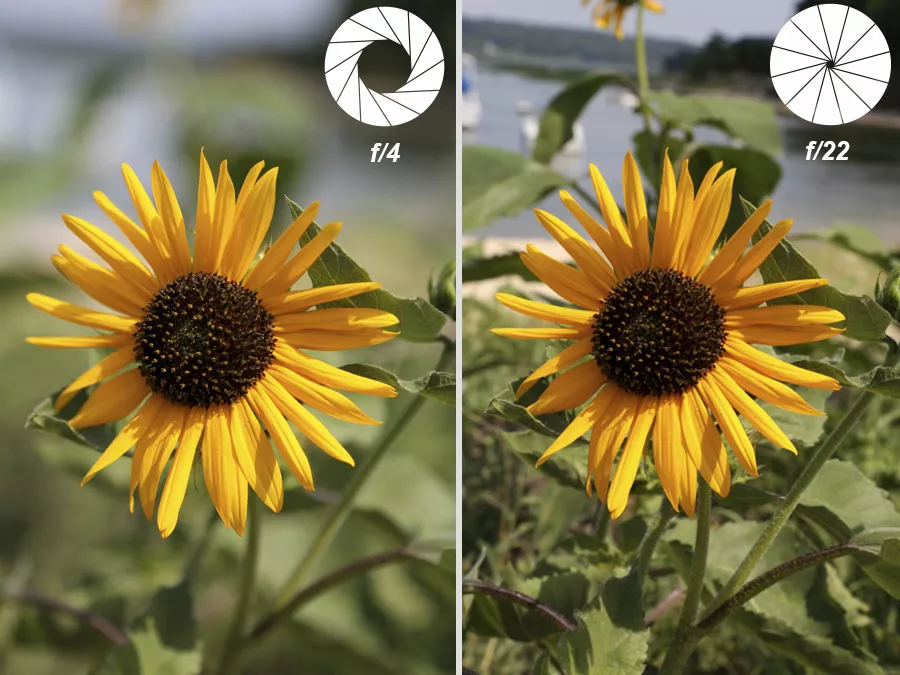
Aperture is the opening in a camera lens that controls the amount of light that enters the camera. It is measured in f-stops, with a lower f-stop indicating a larger aperture and a higher f-stop indicating a smaller aperture. A larger aperture will allow more light to enter the camera, resulting in a brighter image. However, it also affects the depth of field, which is the amount of the image that is in focus. A larger aperture will result in a shallower depth of field, with only a small portion of the image in focus, while a smaller aperture will result in a deeper depth of field, with more of the image in focus.

Shutter Speed

Shutter speed is the length of time that the camera’s shutter is open, allowing light to reach the sensor. It is measured in seconds or fractions of a second. A faster shutter speed will allow less light to enter the camera, resulting in a darker image, but it can also freeze fast-moving subjects, such as sports or wildlife. A slower shutter speed will allow more light to enter the camera, resulting in a brighter image, but it can also blur moving subjects, creating a sense of motion in the image.

ISO

ISO is the sensitivity of the camera’s sensor to light. A lower ISO indicates a lower sensitivity, while a higher ISO indicates a higher sensitivity. A lower ISO will result in less noise or grain in the image, but it will also require more light to achieve a proper exposure. A higher ISO will result in more noise or grain in the image, but it will also require less light to achieve a proper exposure.

It is important to note that all three elements of the exposure triangle are interconnected. Changing one element will affect the others. As a result, photographers must carefully balance the aperture, shutter speed, and ISO to achieve the desired exposure and creative effect in their images.

The most important element of the exposure triangle is the Aperture, as it’s the one that controls the depth of field, which is one of the most important aspect of an image.

You can see the exposure triangle by visiting the link https://www.exposureguide.com/exposure-triangle/

Why Digital Cameras are Superior to Phone Cameras

Brief overview of the key differences between digital cameras and phone cameras

When it comes to capturing memories, we all want the best possible image quality. While phone cameras have come a long way in recent years, digital cameras still offer a level of quality and flexibility that phone cameras simply cannot match.

Image Quality

First and foremost, digital cameras have much larger image sensors than phone cameras. A larger sensor allows for better light sensitivity, which means better low-light performance and less noise in your images. Additionally, digital cameras often have a wider range of aperture settings, which allows you to control the depth of field in your images and create more professional-looking photos.

Flexibility

Another advantage of digital cameras is the ability to change lenses. With a phone camera, you’re stuck with the one lens it comes with. With a digital camera, you can swap out lenses to suit different shooting situations, such as a wide-angle lens for landscapes or a telephoto lens for portraits.

Digital cameras also have more manual controls and settings, giving you greater control over the final image. This allows you to fine-tune settings such as shutter speed, ISO, and white balance, resulting in more accurate and professional-looking images.

In addition to the larger image sensors and manual controls, another major advantage of digital cameras is their ability to handle different lighting situations. Good lighting is crucial in photography, as it can make or break an image. Digital cameras, particularly those with advanced settings, allow you to manipulate lighting in a way that phone cameras simply cannot.

With a digital camera, you have the ability to adjust the shutter speed, aperture, and ISO to get the perfect exposure. This means you can shoot in low light without the image becoming too grainy, or capture a fast-moving subject without motion blur. Additionally, digital cameras often have built-in flash or the ability to attach an external flash, which can be a game-changer when taking photos in low light or at night.

Lighting

Furthermore, digital cameras also have a feature called “White Balance” that ensures that the colors in the photograph are accurate and true-to-life. With this feature, you can adjust the color temperature of the image to match the lighting conditions. This feature is particularly useful in situations where the lighting is mixed, for example, a room lit with both natural and artificial light, which can cause a yellow or blue cast in the photograph.

To sum up, lighting is an integral part of photography and digital cameras are better equipped to handle different lighting situations. With a digital camera, you have more control over exposure, white balance, and the ability to adjust flash settings that allow you to capture stunning images even in low light or challenging lighting conditions.

Finally, digital cameras often have better battery life and more storage options than phone cameras. This means you can shoot for longer periods of time and store more images without having to worry about running out of power or storage space.

In conclusion, while phone cameras have come a long way in recent years, they still cannot match the image quality, flexibility, and functionality offered by digital cameras. If you’re serious about photography and want to take your images to the next level, a digital camera is the way to go.

Purchasing

There are many options for purchasing digital cameras, both online and in physical stores. Here are a few popular sources for buying digital cameras:

  • B&H Photo Video: This is a popular online retailer for photography and videography equipment, including digital cameras. They have a wide range of cameras from various brands, such as Canon, Nikon, Sony, and more.
  • Amazon: This is one of the largest online retailers, they offer a wide variety of digital cameras from different brands, also they have a great customer service and return policy.
  • Best Buy: This is a well-known electronics retailer, they carry a wide range of digital cameras from various brands, as well as in-store and online purchasing options.
  • Adorama: This is a photography equipment retailer, they have a wide range of digital cameras, lenses, and accessories from various brands. They also offer a wide variety of services such as rental, trade-ins and repair.
  • Camera store: is a specialized store that sells a wide range of digital cameras, lenses, and accessories from various brands. They also offer services such as repairs, rentals and consultations.
  • Manufacturer’s website: Many camera manufacturers, such as Canon, Nikon, Sony, and Fujifilm, have their own websites where you can purchase their products. This is a great option if you’re looking for a specific brand or model.
  • Colonial Photo and Hobby: This is a specialized camera store that offers a wide range of digital cameras, lenses, and accessories from various brands. They also offer services such as repairs, rentals, and consultations. They have a physical store located in Florida, USA and also an online store.